









Introduction
With the world becoming so connected, the need for privacy has become a critical issue for both individuals and entities, including businesses and government entities. Capture and transmission of information has never been easier with the introduction of smart phones, voice assistants, wireless microphones, recording devices, and communication systems. Conveniences and efficiencies are combined in these technologies, but they also pose potential risks of unauthorized monitoring and leakage of information.
The sound jammer is one of those terms that is frequently used when discussing the protection of privacy. The audio jamming technology is used to try and interrupt, mask, or interfere with audio signals so that it will be more difficult for voice or audio to be captured properly. These can be linked to privacy enhancement and information security solutions, as well as noise management in sensitive settings.
This article delves into the concept of audio jammer solutions, their role, applications, advantages, disadvantages, and ethical issues associated with their usage.
What is an Audio Jammer?
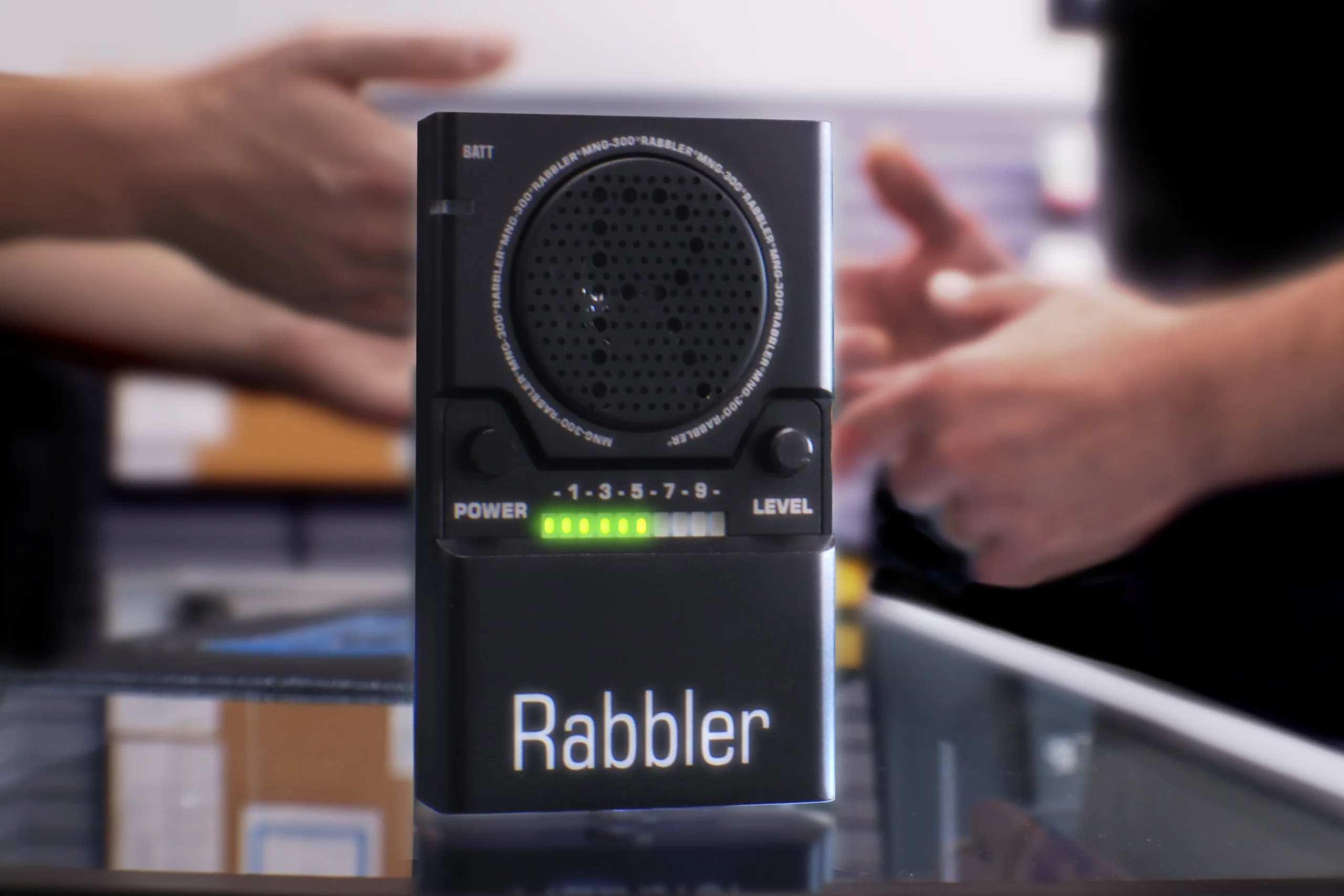
Audio jammer technology or system that disturbs the recording, transmission or reception of audio signals. It is not designed to stop people from talking or hearing, but rather to add sound patterns or noise that makes the sound recorded less clear.
The use of an audio jammer is usually to prevent unauthorized recording or surveillance of sensitive conversations. Many of these systems produce masking noises or acoustic interference which makes it hard to hear recorded sound but doesn’t affect those nearby.
The importance of privacy protection.
One of the main factors that contribute to privacy is audio protection technologies. The following are examples of confidential discussions:
- Business strategies
- Intellectual property
- Financial information
- Legal matters
- Personal data
- Government communications
Unauthorized recordings may result in data breaches, competitive advantage issues, reputation problems, or legal issues with the growing use of remote working, mobile devices and digital communication, securing spoken information is equally as vital as securing digital files and networks.
The goal of an audio jammer solution is to tackle these issues by making it harder for anyone to listen to or record the content without permission.
Types of Audio Jamming Solutions
Sound Masking Systems
One of the most commonly used methods of privacy audio is sound masking. These systems can introduce background noise that is modulated to the environment and mask speech.
Common examples include:
- White noise
- Pink noise
- Ambient background sounds
- Customized masking frequencies
This type of sound masking is commonly employed in:
- Corporate offices
- Healthcare facilities
- Financial institutions
- Conference rooms
So the goal isn’t to cause discomfort, it’s to make it easier to understand what people are saying.
Acoustic Privacy Systems
The acoustic privacy solutions are about controlling the movement of sound within a space.
The following systems can be included:
- Specialized wall materials
- Acoustic panels
- Sound-absorbing furniture
- Privacy-enhancing room designs
They are not jammers per se, but help protect the audio by keeping speech confined to its intended areas.
Active Audio Interference Technologies
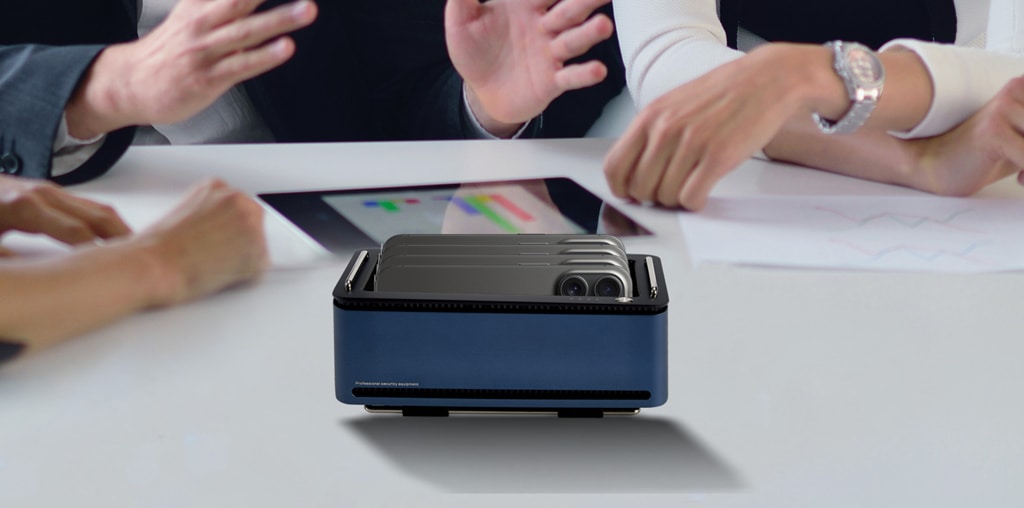
Targeted interference patterns generated by some advanced systems, interfere with recording devices.
Such technologies are intended to make conditions where the microphone will not be able to pick up well distinguishable speech. The effectiveness of their performance is reliant on the layout of the room, the type of microphone being used and the environment.
Typically these systems are used in locations where a greater degree of privacy is desired.
Here are some common uses of audio jamming:
Corporate Environments
Confidential discussion of business matters such as mergers, product development, financial
planning and decisions.
Audio privacy solutions can assist in minimizing the potential for unauthorized recordings when:
- Executive meetings
- Board discussion
- Client consultations
Research and development sessions are conducted.Research and development sessions are held.
Organizations can keep their security posture stronger by safeguarding sensitive conversations.
Government and Defense Facilities
Government organizations often deal with confidential or classified data.
Secure facilities for confidential discussions can use audio protection technologies. Most of the time, physical, digital and acoustic components are needed for these environments, meaning multiple layers of security.
Healthcare Settings
Patient privacy is an essential element in healthcare.
Sound masking systems are often used in the following:
- Reception areas
- Consultation rooms
- Waiting rooms
- Administrative offices
These systems can be used to minimize the risk of private medical conversations being overheard.
The advantages of Audio Jammer Solutions
Enhanced Privacy
The most obvious benefit of audio jamming technology is that it provides greater privacy. This helps organizations keep private discussions private in case they are overheard by other people or on recordings.
Reduced Information Leakage
Sometimes the sensitive information can be revealed in the wrong way: through a conversation, not a breach of security.
This frequently unprotected vvvvvv breach can be addressed with audio protection.
Increased Confidence
This can boost communication and decision making.
Support for Security Strategies
The following methods of audio privacy work well with other security measures:
- Access controls
- Cybersecurity systems
- Surveillance monitoring
- Data protection policies
These measures, when combined, provide a more holistic approach to security.
Challenges and Limitations
Environmental Factors
The effectiveness of technologies of audio interference can be affected by:
- Room size
- Furniture placement
- Background noise
- Building materials
- Microphone quality
There is no one size fits all solution.
User Comfort
Certain degrees of masking sound can be distracting if not properly planned.
There is a balance that organizations need to strike between occupant privacy and comfort to provide a productive environment.
Cost Considerations
High-tech sound protection systems can be costly on equipment, installation and maintenance.
The decision makers should consider the benefits and costs of the associated benefits.
Evolving Technology
The technology of recording has been evolving rapidly.
Elementary ethical and legal issues.
The use of audio jamming technologies poses ethical and legal issues.
The intentional interference or disruption of communications or signals may be subject to regulation or restriction in many jurisdictions. If a privacy solution is being considered for the organization, then it is important that it complies with relevant legislation and industry requirements.
Here are some ethical considerations:
- Respecting legitimate communications
- Prevention of unauthorized disruption of systems
- Ensuring transparency as per requirements.
- Preserving privacy while respecting others’ rights.
To achieve the privacy goals, it is crucial to implement it responsibly in order to avoid negative consequences.
Alternatives to Audio Jammers
Audio jammers can help protect privacy, but many organizations do not depend entirely on them, and use other means to complement the use of the jammer.
Secure Meeting Spaces
With proper design and access control, dedicated secure rooms can help prevent the loss of information.
Employee Awareness Training
Train staff on the need to protect sensitive conversations and create security awareness programs.
Confidentiality Policies
Clear organizational policies set expectations for the use of recording devices and information management.
Advanced Acoustic Design
Passive technologies that help to improve speech privacy do not always need to be expensive and complex interference technologies.
These methods tend to be most effective when used in conjunction with a larger security strategy.
Future of Audio Privacy Technology.
The more sophisticated technologies in surveillance and recording will lead to a greater requirement for sophisticated privacy solutions.
There may be new developments emerging, such as:
- AI-powered acoustic protection
- Adaptive sound masking systems –
- Smart privacy environments
- Integrated security platforms
- Real-time threat detection
Future solutions will likely aim for greater privacy protection with least disruption in normal communications.
Conclusion
Audio jammer solutions are an important class of privacy & security solutions. They can disrupt or obscure sound signals, which can aid in safeguarding confidential discussions in corporate, healthcare, legal, or government settings.
Although no solution is ideal, contemporary audio privacy technologies possess useful instruments that can help to limit the amount of information that leaks and boost the security of communication. They can only be effective if they are properly implemented, taking into account the environment and legal aspects.
With increasing concerns surrounding surveillance and unauthorized recording, audio protection measures will continue to be a crucial element in holistic privacy management. By proactively addressing the risks of verbal communication, organisations can enhance trust, confidentiality and the security of sensitive information in a world that is more connected than ever.